Architecture That Lives With The Island
In Nantucket architecture is a living element
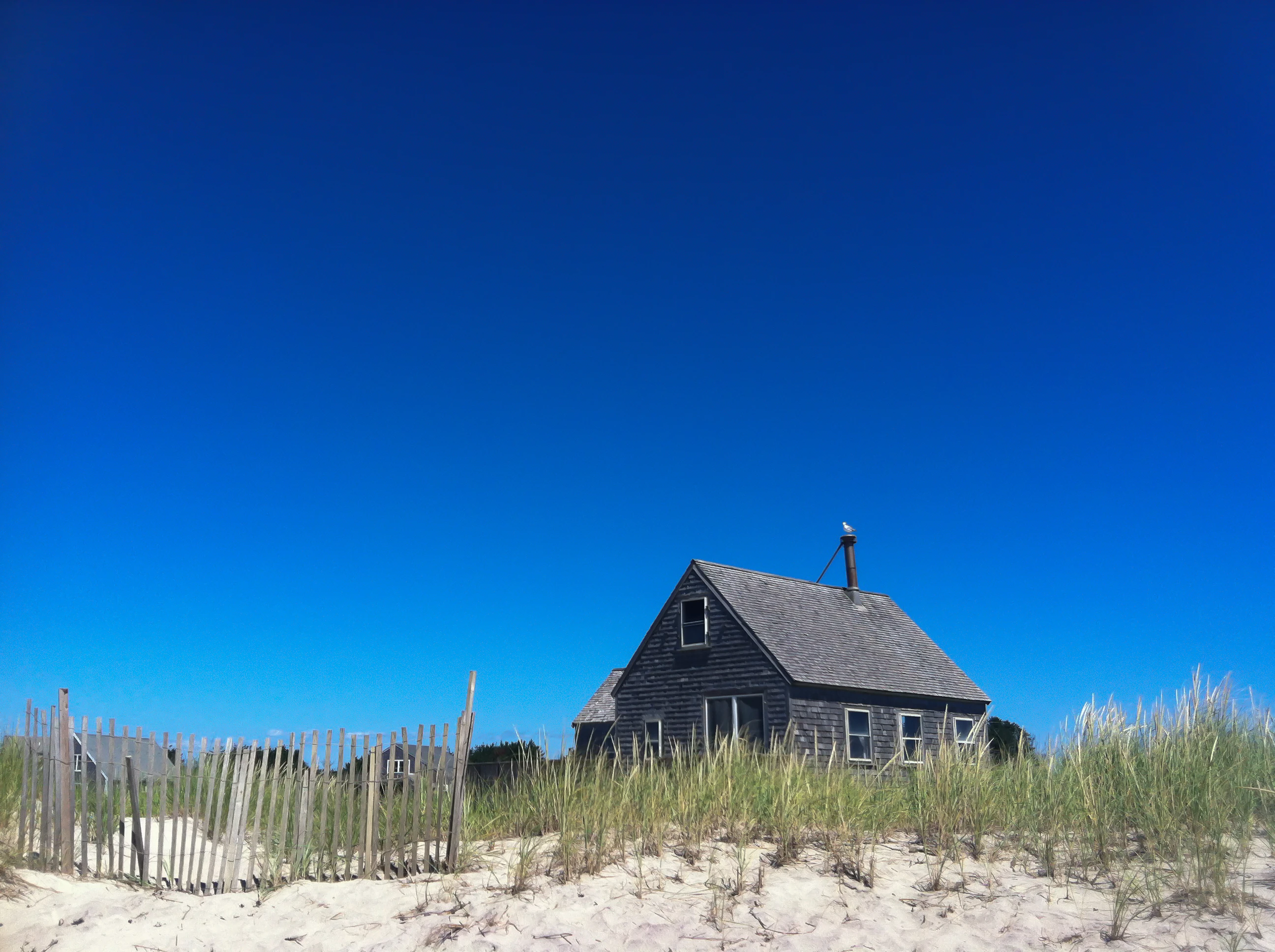
There is a particular simplicity to Nantucket's residential architecture.
Shingled walls weather in the salt air. Wood softens in the sun. Rooflines remain uncomplicated, windows are often modestly proportioned, and the architecture rarely needs to announce itself. Much of Nantucket's character comes not from elaborate gestures, but from a restrained palette of natural materials and simple forms that have evolved alongside the island.
There is something inherently appropriate about this kind of architecture in a place shaped by wind, water, and weather.
Natural materials do more than give a house a particular appearance. They respond to their surroundings. Cedar shingles silver over time. Wood takes on the marks of exposure. Stone gathers moss and changes with the seasons. Even paint fades and surfaces become less distinct as a building settles into its environment.
In this way, a Nantucket house is never entirely finished.
It continues to change after construction is complete.
That quality creates an interesting way of thinking about residential architecture—not as an object that is completed on a particular day, but as something closer to a living presence. A house has a beginning, but its appearance and character continue to develop through years of sunlight, storms, salt air, use, and maintenance.
This may be one reason simple architecture can feel so enduring on Nantucket. When there are fewer materials and fewer gestures competing for attention, the passage of time becomes part of the design.
The architecture begins to belong to its surroundings not simply because it was designed for them, but because it gradually changes with them.
This is also where material choice becomes more than an aesthetic decision. Natural materials can establish a relationship between a new house and the landscape around it. They allow architecture to weather rather than remain permanently separate from its environment.
There is a quiet humility in that approach.
A house does not have to remain exactly as it was on the day it was completed. In fact, perhaps the opposite is true. Some of the most compelling houses are those that become more comfortable in their surroundings as they age—where weathering, wear, and time add rather than detract from their character.
On Nantucket, architecture has always had a close relationship with the elements. The island's houses endure wind and sun, salt and rain, summer after summer and winter after winter.
They change.
And perhaps that is what makes them feel less like objects and more like inhabitants of the island themselves.