What Will Nantucket Look Like Next?
The evolution of Nantucket architecture
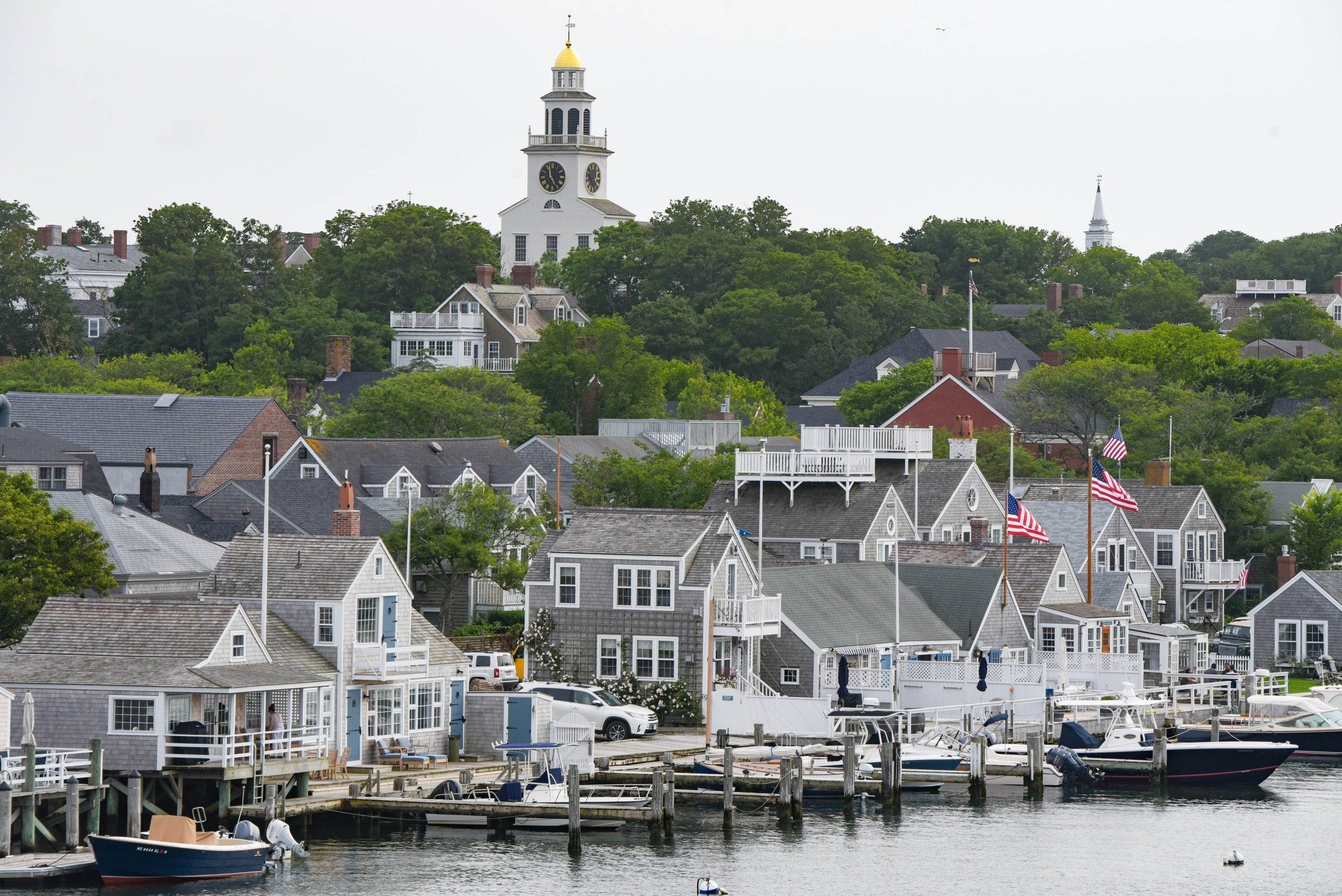
Nantucket is known for an architectural character that has remained remarkably recognizable for generations. Its weathered shingles, simple forms, historic streetscapes, and familiar proportions are a defining part of the island itself.
Protecting that character is one of the responsibilities of the Nantucket Historic District Commission. But as Nantucket continues to attract new homeowners, many arrive with different ideas about what a home can be. Larger expanses of glass, more open interiors, simplified forms, and a contemporary relationship between house and landscape do not always fit easily within Nantucket's established architectural vocabulary.
The resulting tension is an interesting one to watch.
The HDC is tasked with protecting the character of a place that people value precisely because it feels distinct from everywhere else. At the same time, homeowners and architects are designing for the way people live now—not the way they lived a century ago.
Neither position is particularly difficult to understand.
The question is what happens in the space between them.
Will Nantucket's architectural language remain largely unchanged? Will contemporary ideas gradually find a more visible place on the island? Or will the back-and-forth between preservation and new ways of living produce an architecture that is neither entirely traditional nor entirely contemporary?
That process is already playing out project by project.
Each proposal brought before the HDC becomes part of a larger, ongoing conversation about how much a new house should reflect the architecture that came before it—and how much freedom it should have to represent its own moment.
Nantucket has changed before. The architecture we now think of as distinctly Nantucket was itself shaped over generations, reflecting the needs, materials, and ideas of different periods.
Perhaps that is what makes the current moment so compelling.
The island is still deeply committed to its architectural identity, while the people building here continue to bring new expectations and new ideas. Where those two forces will ultimately meet remains to be seen.
For now, the conversation itself may be the most interesting part.
The next chapter of Nantucket architecture is still being written.